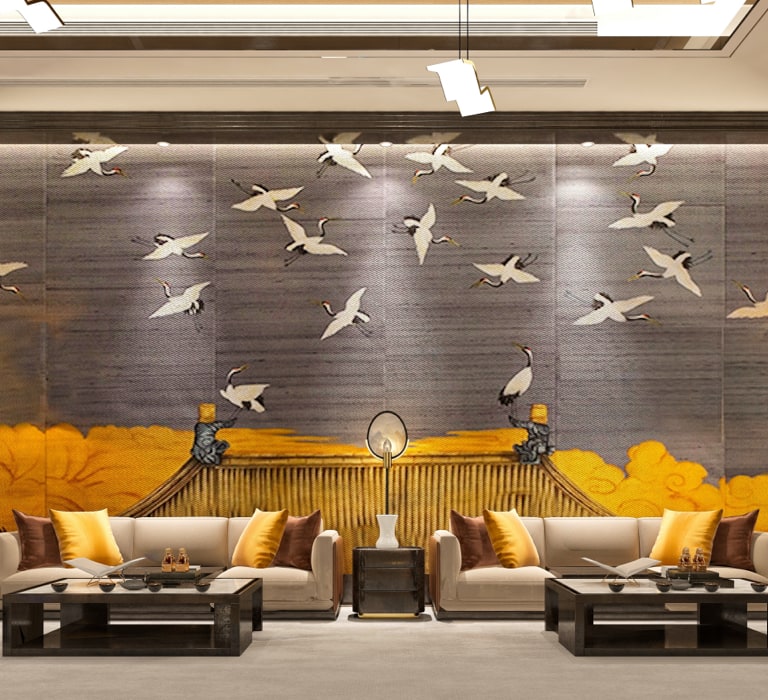

What happens around the table increasingly reflects how a community thinks about wellness, engagement, and daily quality of life. For leadership teams, dining is no longer a background service—it’s a visible expression of operational priorities.
As we look toward 2026, dining is becoming much more than just a meal—it’s a central part of a holistic approach to wellness and community life. As resident expectations evolve and wellness standards become more defined, dining programs are being asked to do more than serve meals efficiently. Staying aware of these trends is a key part of successful senior living management, as they shape a more vibrant and supportive environment for residents.
Key Takeaways
- Personalized menus are replacing one-size-fits-all approaches to meet individual health needs and taste preferences.
- Technology is being used to streamline ordering and kitchen operations, giving residents more choice.
- There is a growing focus on “food as medicine,” with menus designed to support specific health conditions.
- Dining areas are becoming social hubs with open kitchens and interactive culinary events.
- Communities are prioritizing fresh, high-quality, and locally sourced ingredients.
Why Dining Is So Important in Senior Living
Dining touches nearly every part of daily life in a senior living community. It’s one of the few experiences shared by all residents, multiple times a day, and it has a direct impact on both physical health and emotional well-being.
In practice, dining influences far more than meal satisfaction:
- It supports nutrition, energy levels, and long-term health goals
- It creates routine and structure, especially for residents who benefit from consistency
- It serves as a primary setting for social connection and engagement
- It shapes how residents, families, and visitors perceive the community as a whole
When dining is approached thoughtfully, it reinforces a sense of stability and care. But when it’s treated as an afterthought, its shortcomings are immediately visible.
Personalized Dining as an Operational Standard
Standardized menus and rigid meal schedules are steadily giving way to more adaptive dining models. Personalization is now a basic expectation across senior living portfolios.
From a leadership perspective, personalization isn’t about unlimited choice. It’s about building systems that can accommodate dietary needs, preferences, and routines without creating operational strain. Flexible menu planning, alternative dining venues, and varied service styles all contribute to a dining program that feels responsive rather than restrictive.
Nutrition, Wellness, and the “Food as Medicine” Shift
Dining programs are increasingly tied to broader wellness strategies. Nutrition is being viewed less as a lifestyle enhancement and more as a practical tool for supporting health, energy, and daily functioning.
This shift shows up in menu design that prioritizes balance, protein intake, and ingredient quality, as well as in closer collaboration between culinary and wellness teams. Rather than framing meals around trends, leadership teams are aligning dining decisions with measurable outcomes that support resident well-being. The result is a dining philosophy that feels intentional and grounded.
Dining Spaces as Community and Engagement Anchors
The physical dining environment plays a growing role in how meals are experienced. Open kitchens, flexible seating, and multipurpose dining areas are increasingly common. This isn’t about aesthetics alone, but about interaction and choice.
Dining rooms are evolving into places where residents connect naturally and where daily engagement feels effortless. This shift also allows communities to host demonstrations, themed meals, and smaller gatherings without disrupting core service flow.

Technology’s Role in Modern Dining Operations
Technology is quietly reshaping how dining programs operate. Digital ordering systems, inventory tools, and data-informed planning help streamline workflows while giving residents more autonomy in their choices.
For leadership teams, the value of technology lies in clarity. When systems reduce waste, improve accuracy, and support staffing efficiency, dining teams can focus more on execution and less on correction. The most effective implementations remain practical and purpose-driven, supporting the dining experience without overshadowing it.
Leadership’s Role in Elevating Dining Strategy
Dining trends don’t succeed in isolation. Their impact depends on leadership alignment across operations, culinary teams, and wellness planning. When expectations are clear and priorities are shared, dining programs scale more effectively and remain consistent across communities.
In 2026 and beyond, dining will continue to serve as a visible indicator of how senior living organizations think, plan, and lead. Communities that approach dining strategically are better positioned to deliver experiences that feel cohesive, supportive, and well-managed.
The Benefits of Working with Distinctive Living
These trends show a clear shift toward a more thoughtful and resident-centered approach to dining. A forward-thinking dining program is a significant part of effective senior living management, and embracing these changes helps create a more engaging and thriving community for everyone.At Distinctive Living, we believe in creating environments where residents are supported in every aspect of life. Our approach to wellness and community is reflected in how we view the dining experience. If you’d like to learn more about our vision, reach out today. Let’s connect, and we can plan your future.